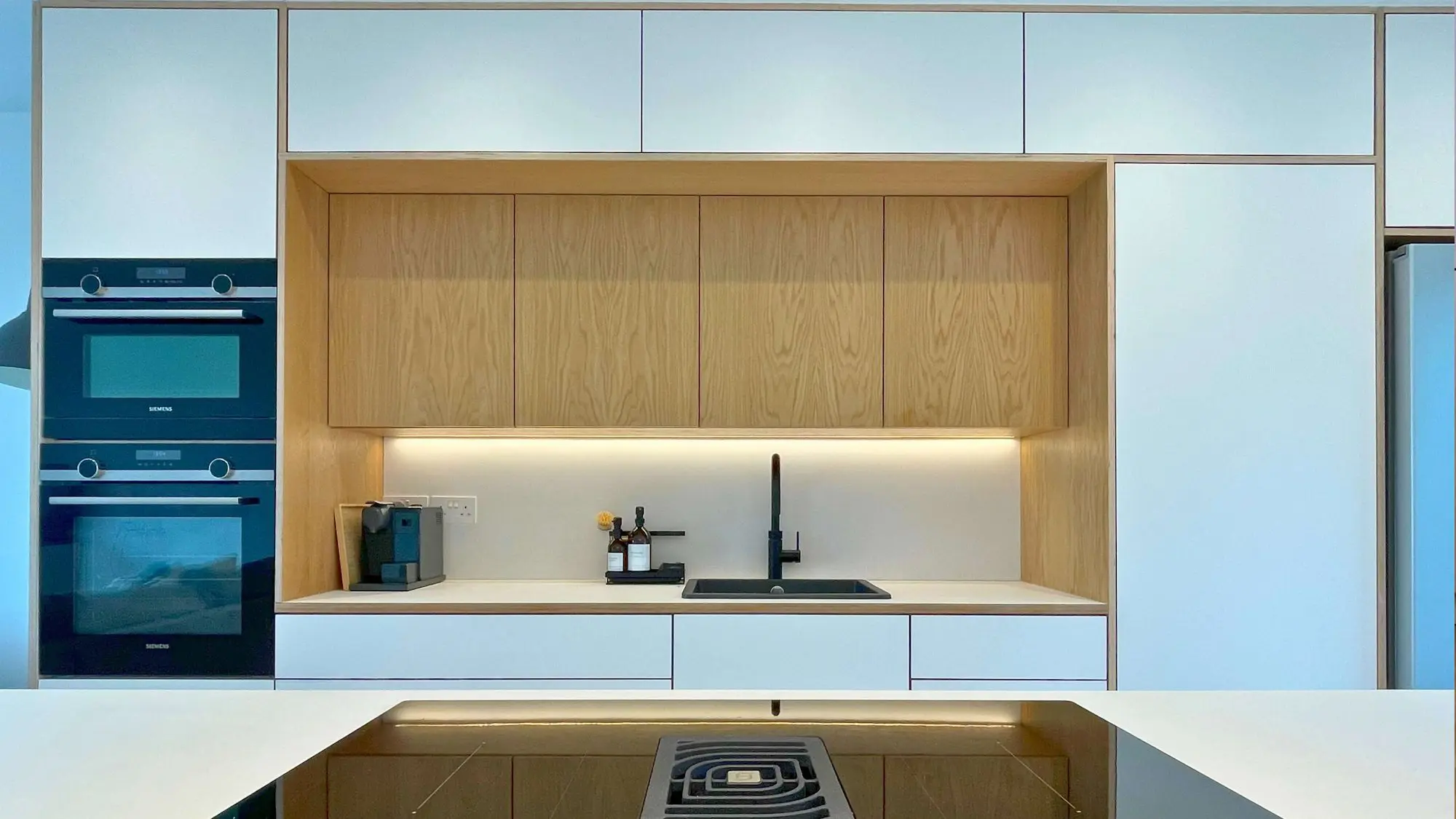
If you design premium kitchens, wardrobes, or fitted interiors, you need a manufacturer who can translate drawings into furniture that fits first time, looks correct in real light, and is delivered on schedule. JS DECO supports designers with fully bespoke manufacturing, controlled detailing, and direct communication from concept to installation.

How interior designers and architects benefit from collaborating with us
Prefer to send drawings first. Use the form at the bottom and attach files.
Trusted standards and independent recognition matter when you recommend a manufacturer to your client.

Capability snapshot
Bespoke only
Made from scratch to the required dimensions. Not adapted from fixed factory modules.
Flexible scope
Kitchens, wardrobes, utility rooms, fitted storage, and freestanding furniture as part of a scheme.
Supply models
Supply only or supply and installation, depending on your project structure.
UK coverage
Designer led projects delivered across the UK with clear sign off points.
Useful references: What fully bespoke manufacturing means and how to start a project with us.
What we can work from
Designer inputs
- PDF plans and elevations
- DWG files and cabinet schedules
- SketchUp or similar 3D exports
- Moodboards and finish references
- Appliance schedule with exact models
What helps us quote accurately
- Project location and expected timeline
- Supply only or supply and installation
- Finish level and durability expectations
- Any site constraints: access, parking, working hours
- Survey responsibility: client side or our side
Eight practical reasons designers work with JS DECO
1. Unique outcomes without compromises
- Furniture built to your concept rather than adapted from fixed modules
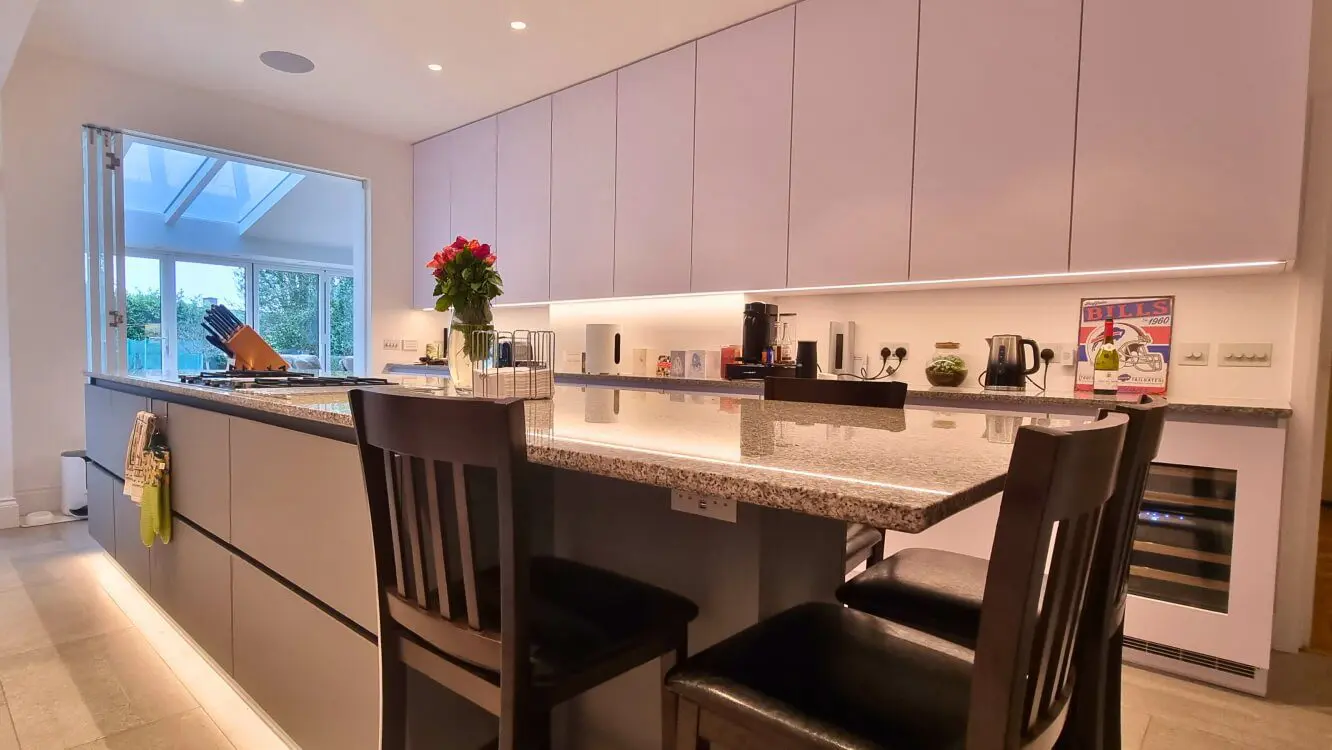
- Cleaner sight lines, correct proportions, and better detailing control
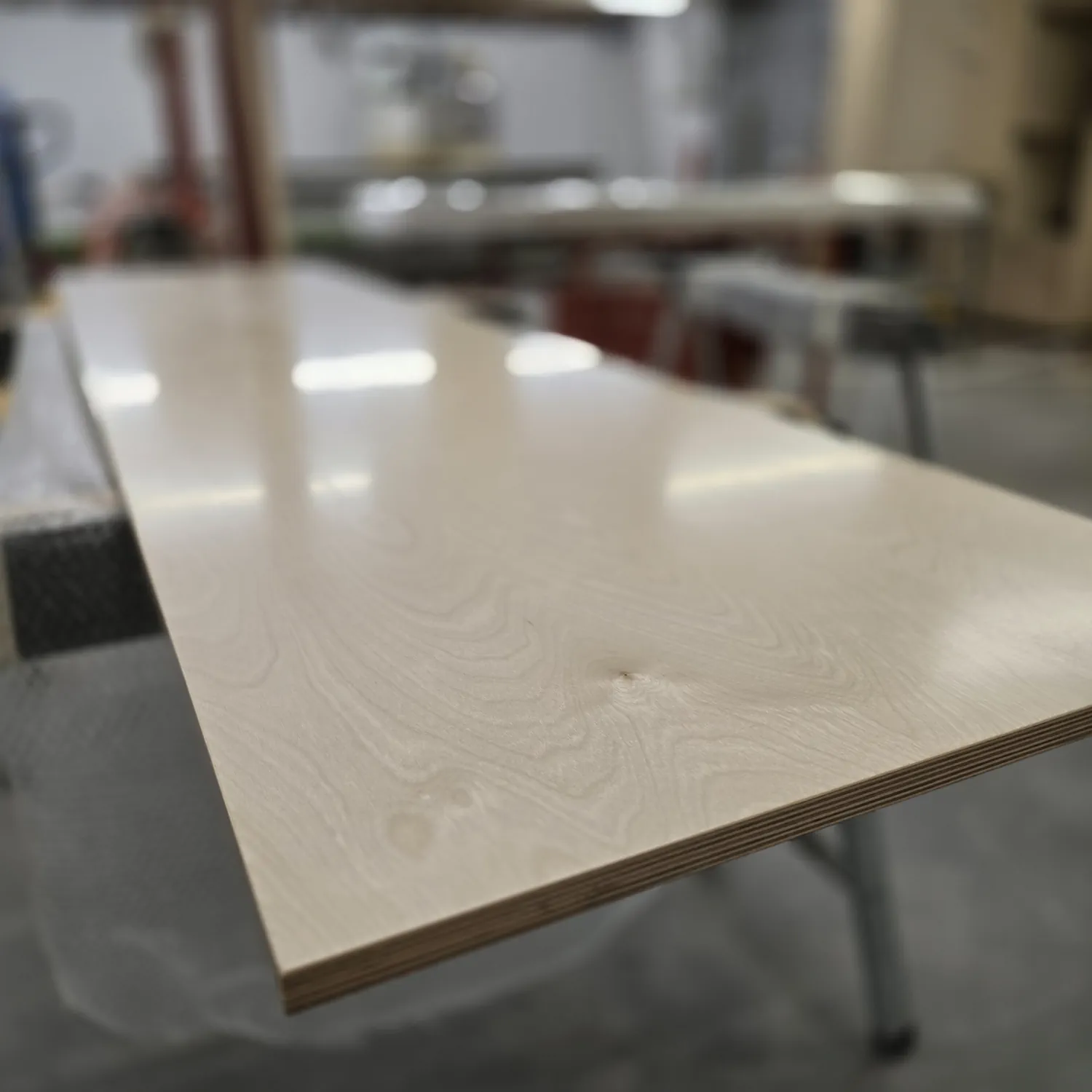
- Options for aligned veneer and grain matching on clear finishes where relevant
3. Perfect fit for real spaces
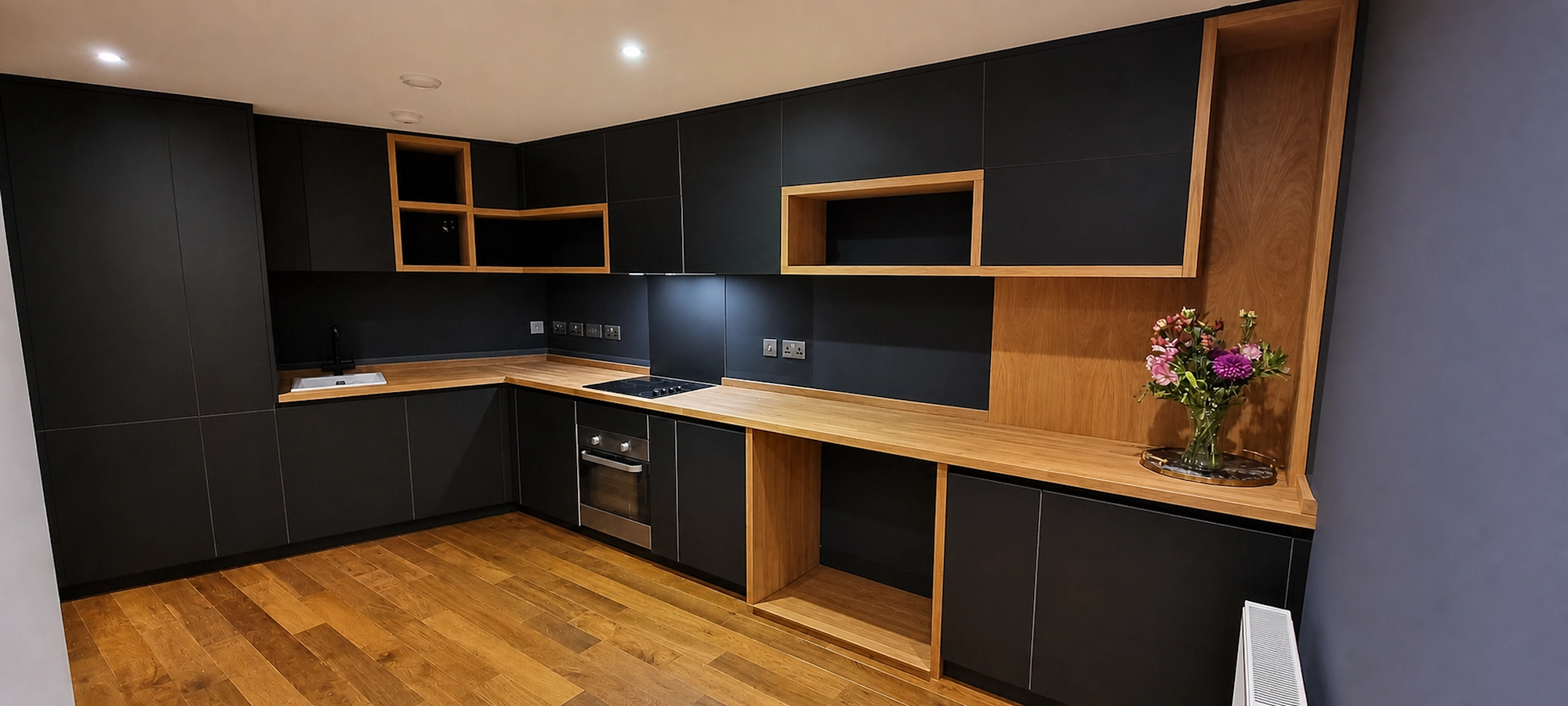
- Made to measure construction for unusual walls, sloped ceilings, alcoves, and tight rooms
- Better use of internal volume with less dead space
- Cleaner integration around appliances, services, and structural constraints
5. Material and finish control
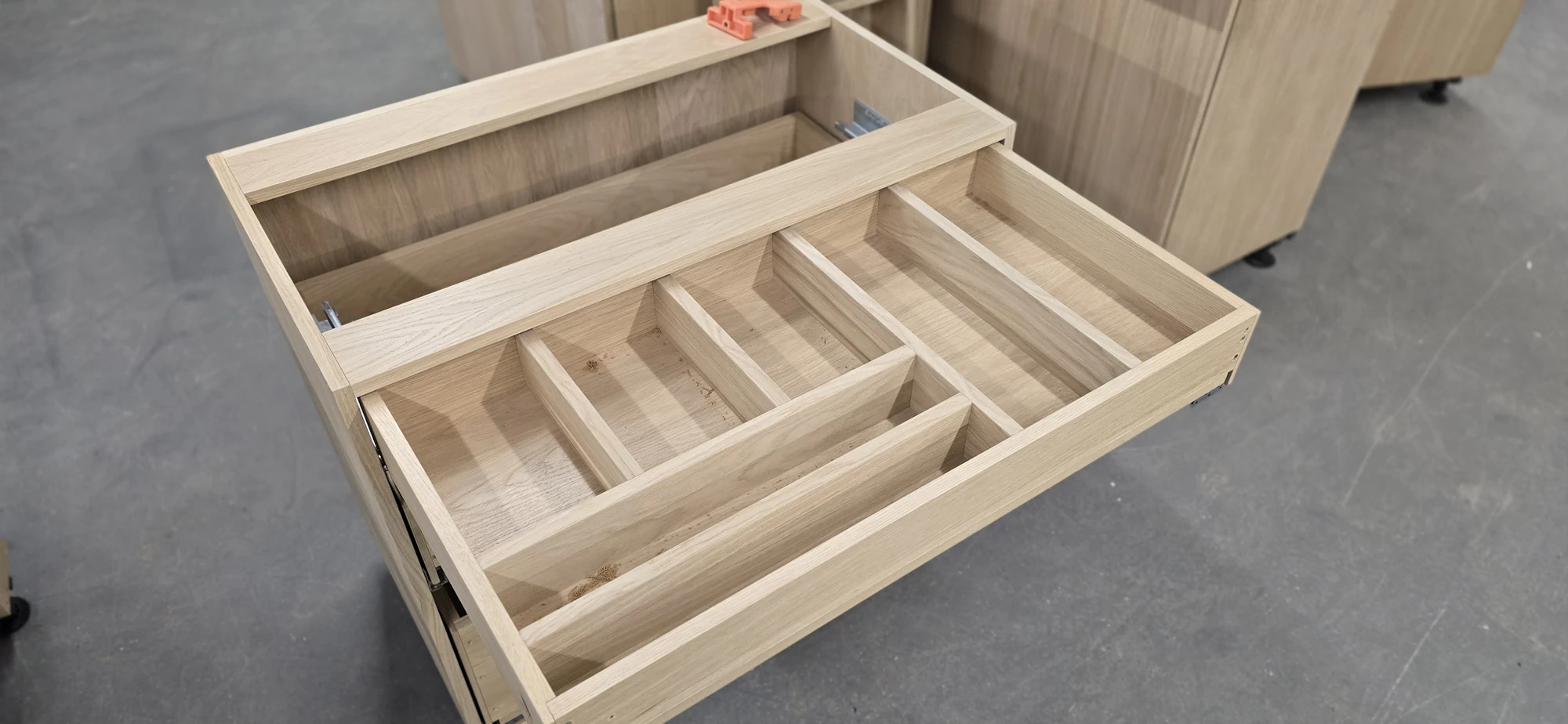
- Control over core build, edges, internal specification, and surface finish
- Better predictability of colour and texture across large runs
- Support with realistic detailing choices that work in production
7. Better commercial outcomes for your business
- Premium projects justify premium fees when execution quality is consistent
- Better results improve referrals and portfolio strength
- Clear workflow reduces avoidable time waste on revisions
2. Quality control you can rely on
- Direct communication with the workshop, fewer interpretation errors
- Defined specification and sign off points before production starts
- Higher confidence when you put your name on the final result
4. Faster decisions, fewer delays
- Quicker feedback loops and fewer middle layers
- Design changes handled early, before they become site problems
- Clear assumptions improve programme planning
6. Stronger identity for your studio
- Clients see original work rather than standard catalogue furniture
- Details and finishes feel intentional, not forced
- Your design language stays consistent across the project
8. A practical long term partnership
- Consistent output makes repeat collaboration easier
- Better planning and fewer late surprises
- A clear process that protects your reputation and your time
If you need support with planning or specification, see our dedicated kitchen design service.
Specification options designers typically request
Construction and materials
- Plywood core cabinetry where durability is the priority
- Veneered boards for premium visual consistency
- Edge detailing matched to finish requirements
- Internal specification aligned to use case and budget
Finishes and detailing
- Lacquered finishes when colour accuracy and refinement matter
- Laminate and technical surfaces where impact and cleaning resistance matter
- Aligned veneer and grain matching on clear finishes where relevant
- Hardware levels selected around feel, durability, and serviceability
If your project is centred around plywood construction, start here: plywood core kitchen furniture.
Common failure points and how we prevent them
Failure points
- Appliance models change late and dimensions shift
- Site sizes are not stable but production is expected to proceed
- Finish expectations are vague, leading to mismatched samples
- Installer responsibility is unclear, creating disputes on site
Prevention
- Specification and sign off points before production starts
- Clear assumptions stated in writing
- Sample and finish alignment before full manufacturing
- Survey responsibility agreed early for supply and install scopes
How collaboration works in practice
Step 1. Share your intent
Send drawings, a schedule, and finish direction. If it is early stage, send concept visuals and constraints.
Step 2. Specification and sign off
We confirm build approach, key assumptions, and what must be approved before production.
Step 3. Manufacture and delivery
Furniture is produced to the agreed specification, then delivered or installed depending on scope.
FAQ for architects and designers
Yes. We offer both options.
- Supply only: your client’s fitter confirms final site dimensions and any last adjustments on the drawings before production.
- Supply and installation: installation is fully under our responsibility and we arrange survey and measurement confirmation before we start production.
Yes, we can quote from early stage information. If you are at concept stage, send a layout, reference images, and finish direction. We can give a realistic budget range and advise what information is needed to lock pricing.
PDF drawings, DWG files, schedules, and 3D references are all fine. If you have a preferred format, send it and we will confirm the best approach.
Where the chosen material and finish allow it, we can align veneer direction and grain across runs to improve visual consistency. This is typically planned during specification and sign off.
Late changes to appliances, unclear sign off, and unstable site dimensions are the most common causes. We reduce this risk by defining sign off points, confirming assumptions in writing, and aligning finishes before full production.