
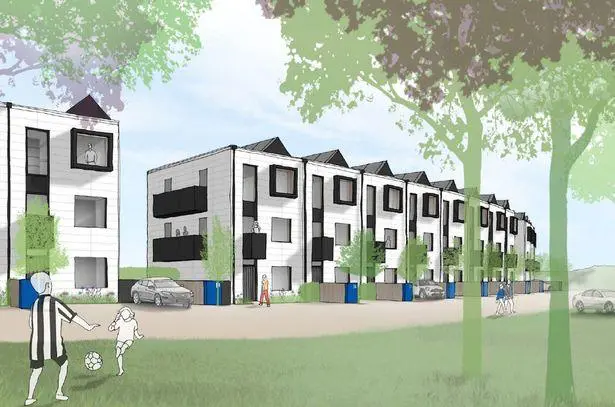
24 handleless high gloss kitchens installed at Smiths Dock, Newcastle
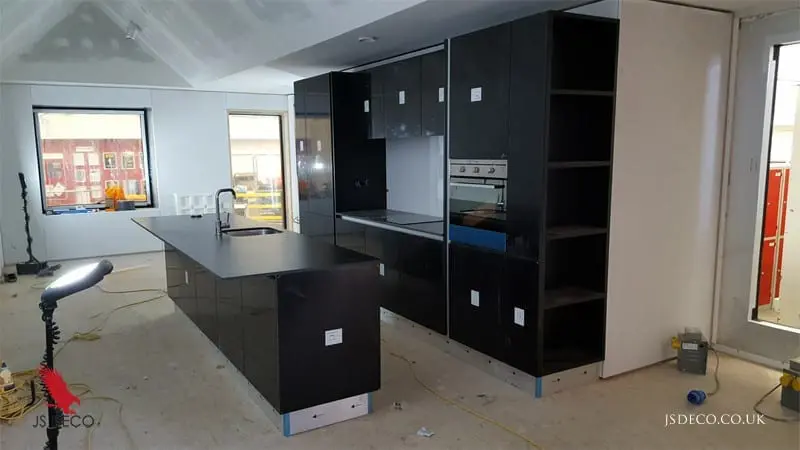
Another commercial installation project completed in cooperation with SIG plc for the Urban Splash developer. We were responsible for the installation of 24 handleless, high gloss modern kitchens at SMITHS DOCK, Newcastle. The kitchens were supplied by Arnold Lavers and delivered in two open plan configurations: an L shape, and a galley layout with an island. The brief was focused on clean modern appearance, consistent detailing across multiple plots, and reliable day to day usability through a push to open handleless system.
Spec snapshot
Location: Smiths Dock, Newcastle, Tyne and Wear (Urban Splash development)
Layout: L shape and galley layout with island (open plan)
Fronts: High gloss acrylic doors
Carcase: MDF core (kitchen units supplied by Arnold Lavers)
Worktop: Solid laminate worktop 12 mm
Hardware: Push to open handleless system (doors and drawers)
Key appliances: AEG
Notable engineering detail: Multi plot installation with repeatable alignment, level control and consistent finishing across 24 kitchens
Specification was similar to our previous project, where we fitted 38 similar sets of furniture.
Project overview
Problem
This was a multi unit installation where the priority was repeatability and consistency. Across 24 kitchens, small deviations in floor levels, wall straightness, and service positions can accumulate into visible alignment issues if the installation sequence is not controlled. The kitchens are handleless and high gloss, which makes shadow lines and reflection changes easy to notice, so cabinet lines, door reveals, plinth runs, and worktop joints all needed to read as one consistent system in every plot.
Design decision
Two open plan configurations were used, an L shape and an alley style layout with an island. Both layouts depend on clean runs and clear circulation, so the installation needed to protect the open plan feel by keeping cabinet lines straight, keeping the island well positioned in relation to surrounding runs, and ensuring the handleless push to open system operated consistently across all doors and drawers.
Engineering solution
Because specific measurements are not provided in the original brief, all critical dimensions were measured on site and confirmed during survey and fit out checks. The installation approach focused on disciplined setting out, levelling of base units, and controlling the plinth and worktop datum so that each run stayed visually straight even where the room shell varied. The brushed aluminium plinth was treated as a continuous line, with careful joining and alignment, because it is one of the strongest visual references in a modern kitchen. Door and drawer fronts were then adjusted to keep even reveals and predictable push to open behaviour across the whole set.
Outcome
The result was 24 modern, handleless kitchens delivered with consistent detailing across the development. The open plan layouts remained clean and uncluttered, with a durable 16 mm solid laminate worktop, an acrylic splashback for easy maintenance, and a stainless steel sink and tap completing a practical specification suitable for repeated use in a residential development in Newcastle.
Design and planning
Even when kitchens are supplied as a defined specification, installation quality is decided during planning. For this Smiths Dock, Newcastle project, the planning work centred on verifying the conditions that influence a handleless kitchen outcome: floor level, wall straightness, service positions, and the clearances required for worktops, splashbacks, and the push to open operation.
Open plan kitchens are also judged by how they sit within the living space. In the L shape configuration, the objective is usually to keep the corner solution clean and functional while maintaining straight lines along both legs. In the alley layout with an island, the main objective is to protect the walking route and keep the island visually centred and aligned with the main run so the space reads intentional rather than constrained.
The planning stage therefore focused on a repeatable sequence that could be applied across multiple plots: confirm the starting datum, set base units true, align the brushed aluminium plinth line, then complete worktops and acrylic splashbacks with clean junctions. Exact values were set to suit the room constraints and confirmed during site checks, because the original brief does not specify plot by plot room measurements.
Furniture specification
Cabinet engineering
This project used a modern handleless specification supplied by Arnold Lavers, with MDF core and high gloss acrylic doors. Acrylic fronts are visually strong in contemporary interiors, but they demand careful handling during installation to avoid surface marking. The priority during fit is to keep front faces clean, keep reveals consistent, and avoid twist in carcases that would affect the push to open engagement.
The handleless function here is delivered through a push to open system on doors and drawers. For this type of kitchen to work reliably, each door and drawer front needs consistent alignment and free movement. Any binding from out of level base units, cabinet twist, or misaligned runners will be felt immediately by the user. For that reason the installation sequence prioritised level control first, then front alignment and adjustment, then final checks for smooth push to open action on all openings.
Work surfaces were specified as a solid laminate worktop, 16 mm. Because the worktop thickness is low profile, it reinforces the modern look, but it also makes level and joint quality more noticeable. The install focus was therefore on clean, straight runs and neat finishing so the worktop reads as a crisp line rather than an uneven edge.
Appliance integration
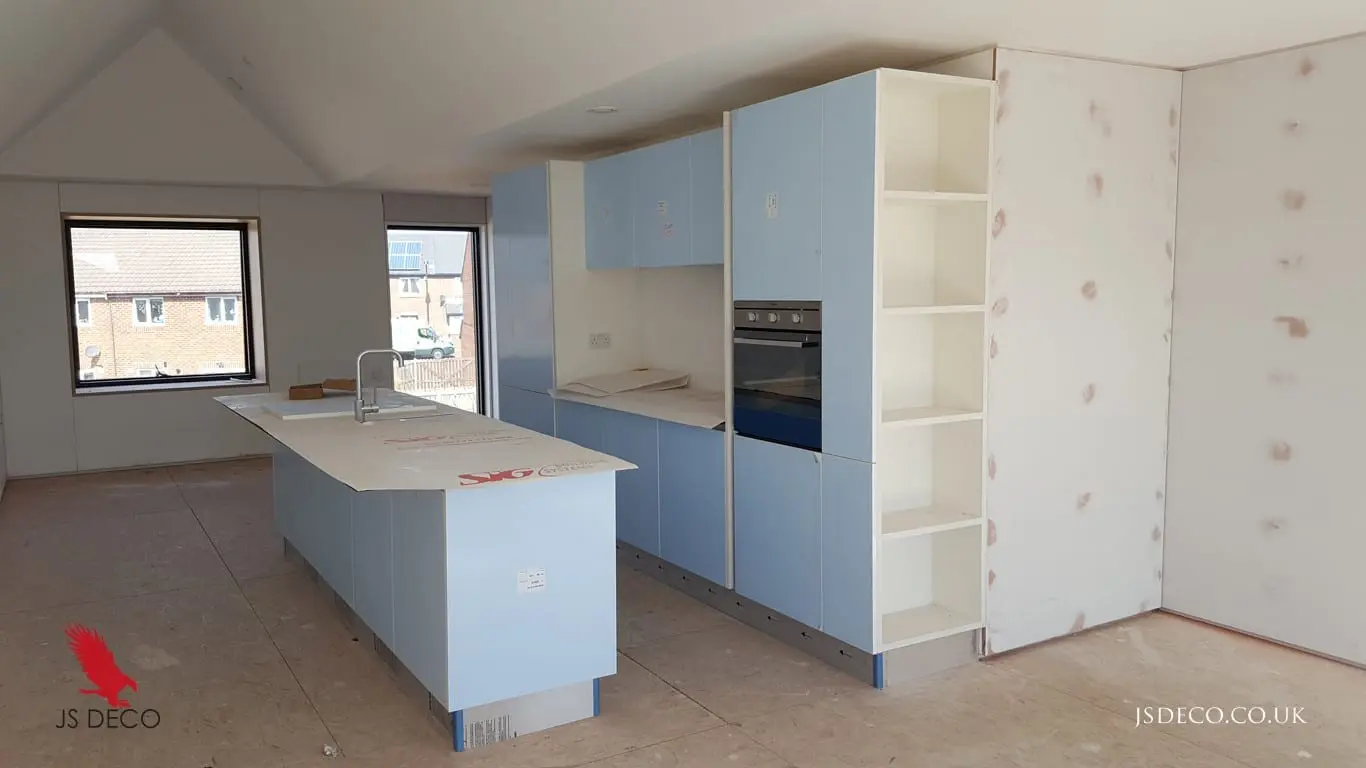
Appliances are not listed in the original brief, so specific models and brands are not specified here. What is clear is that each kitchen included a stainless steel sink and tap and used an acrylic splashback.
From an installation perspective, the sink and splashback area is one of the critical detail zones in any kitchen, especially in a development where identical solutions must be repeated across multiple plots. Acrylic splashbacks need accurate setting out to keep edges neat and junctions consistent, and the sink run needs clean finishing around cut outs and service connections. The goal is a practical, wipe clean working zone with no unnecessary gaps, while keeping the overall modern handleless appearance intact.
Where layouts include an island, service coordination becomes a key part of the integration work. Final clearances and exact positions are typically confirmed during site survey and the installation process, because plot specific constraints can vary even within the same development.
Smart storage
Internal storage accessories are not specified in the original brief, but the handleless push to open system directly affects how storage is experienced. In a daily use scenario, a push to open door must open cleanly with one press, even when hands are wet or when the user is carrying items. That demands consistent door alignment and predictable mechanism behaviour across the whole kitchen.
Two practical examples that matter in these open plan layouts:
- Cooking and preparation zone: with high gloss handleless fronts, users typically want the worktop and front faces to remain visually clean. Reliable push to open operation reduces the need for gripping edges or pulling on door faces, which helps keep the kitchen looking tidy during daily use.
- Cleaning zone: the sink area is used frequently, and the ability to open doors and drawers with a light press supports quick access without adding handles that interrupt the flat modern face.
In both the L shape and alley with island configurations, the open plan context means storage is part of what the living space sees. A calm handleless look depends on straight lines, even gaps, and doors that sit flush in the same plane, because the kitchen is viewed from multiple angles in the combined kitchen and living room setting.
Materials and finishes
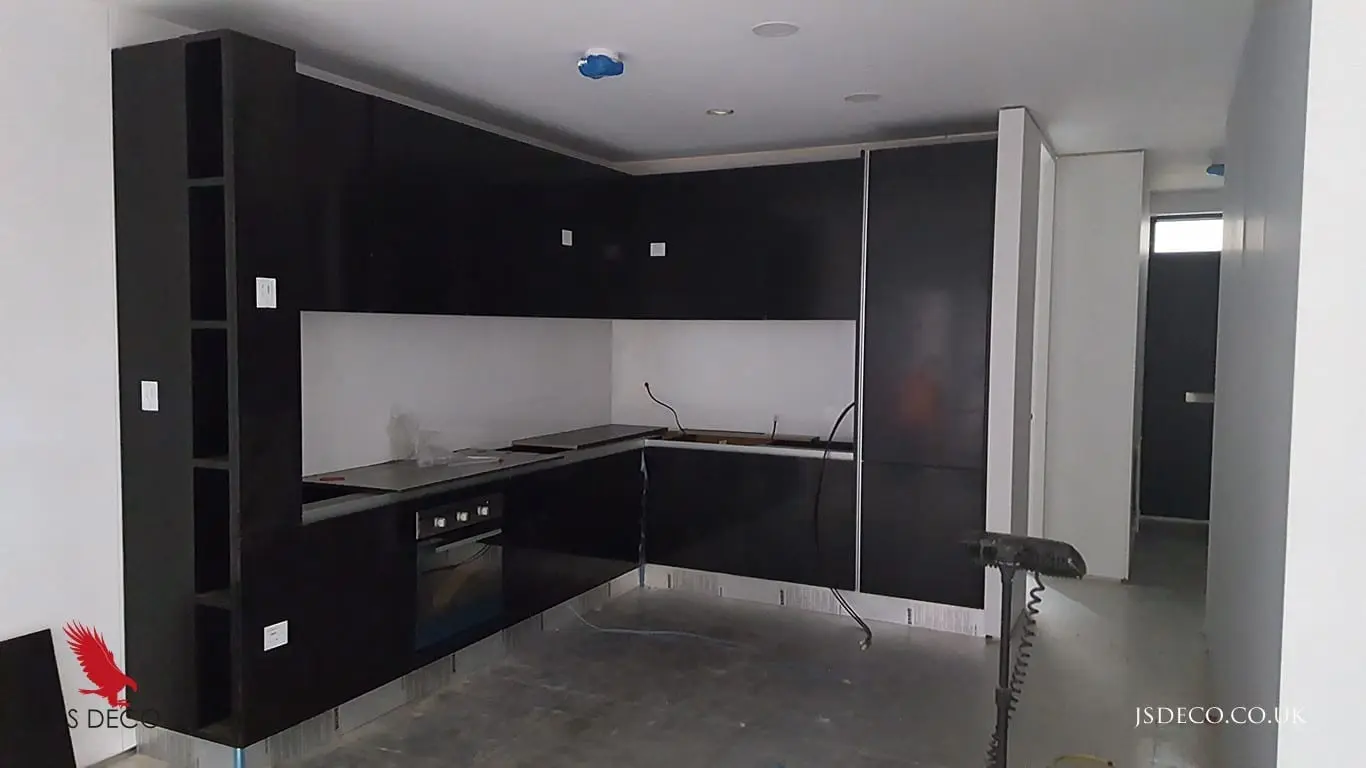
This specification was built around modern, durable, and maintainable finishes suitable for a repeated installation programme.
- High gloss acrylic doors deliver a clean contemporary aesthetic and reflect light, which supports the bright open plan feel. The installation requirement is careful surface protection and accurate adjustment, because reflections make unevenness easier to notice.
- MDF core provides a stable base for consistent door and panel geometry in a supplied system, supporting repeatability across multiple kitchens.
- Solid laminate worktop, 16 mm gives a thin modern profile with a robust wipe clean surface.
- Acrylic splashback provides a simple clean finish in wet zones and is easy to maintain.
- Brushed aluminium plinth defines a strong horizontal datum line at floor level, reinforcing the modern look and helping the room read crisp and intentional.
Before and after analysis
This case study focuses on delivery and installation of new kitchens rather than a documented refurbishment of a specific previous kitchen in each plot. For that reason, a direct before and after comparison is not specified in the original brief.
What can be assessed, based on the provided project scope, is how the final installation performs as a modern open plan system:
- Alignment clarity: handleless high gloss kitchens depend on straight lines and consistent reveals, so the installation outcome is judged by the continuity of cabinet runs, island positioning, and uninterrupted plinth lines.
- Usability: push to open handleless operation is only effective when doors and drawers are adjusted accurately, which is part of the installation quality control rather than a product change.
- Maintenance: laminate worktops, acrylic splashbacks, and stainless steel sink and tap provide practical wipe clean zones suited to everyday use.
Final results and positioning
Installing 24 kitchens in a live development environment requires a structured process and consistent quality control. At Smiths Dock, Newcastle, the objective was not to create one unique feature kitchen, but to deliver the same modern handleless standard repeatedly across multiple plots, with the same visual lines, the same functional behaviour, and the same clean finishing.
This project also shows how installation work influences the final perception of modern kitchens. A handleless high gloss design does not hide small errors. If base units are not level, if plinth lines break, or if door reveals vary, the whole kitchen reads wrong even when the supplied components are correct. The value of an experienced installation team is therefore in the discipline of setting out, adjustment, and finishing so the product performs as intended in real use.
To understand JS DECO’s wider approach and the type of work we deliver across domestic and commercial projects, see our About JS DECO page.
How to book your own kitchen project
We are open for cooperation with private and commercial customers, property investors, shop owners, and interior designers. Contact us to arrange an appointment and see how we can help.
Step 1 Initial discussion and outline of the brief, including location, layout type, and preferred finish level.
Step 2 Site survey and confirmation of key constraints, with dimensions verified on site where required.
Step 3 Design and specification sign off, including materials, door system, and practical detail zones such as sink and splashback.
Step 4 Manufacture or supply coordination, depending on whether the project is supplied by a partner or produced in house.
Step 5 Delivery or installation, with final adjustment and checks to confirm alignment and correct operation.
We cover projects across the UK. Lead times depend on workload and project scope. Supply only and supply with installation can be discussed during the initial call.
